In the theft at Paris’ The Louvre that houses Leonardo da Vinci’s Mona Lisa, Two More Persons Charged
On the 19 th of the last month, four thieves had decamped with rare jewels from The Louvre Museum in a dramatic way. After shutting down for three days, the museum had opened for public visit on October 22.
HOME PAGE
Team GTP
11/2/20252 min read
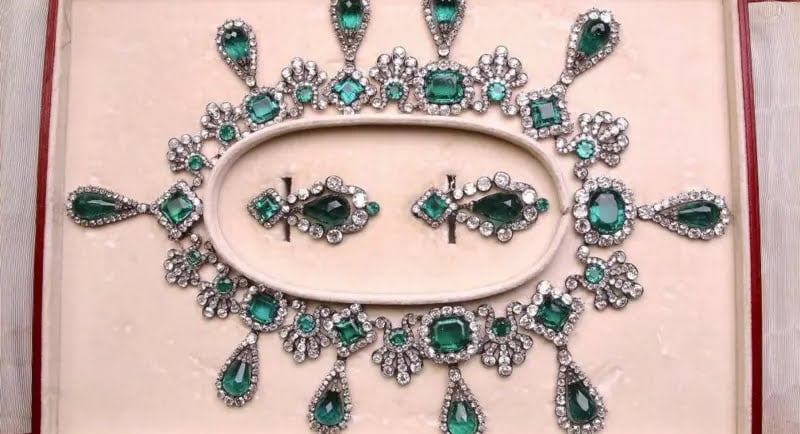
Two more persons—a man and a woman, were charged on Saturday in the notorious heist case of famous Louvre Museum of Paris. Earlier on, two suspects had already been charged in the theft case.
However, on Sunday, news organisations reported quoting Paris prosecutor as noting that the theft at Louvre Museum last month was executed by petty criminals, and not by professionals in the organised crime world.
Four people are under arrest so far, in the case of museum heist.
The thieves termed as ‘petty’, who face trial now, targeted Galerie d'Apollon, the gallery that housed French Crown Jewels at the world’s most-visited museum, originally built as a fortress in 12 th century, converted into a royal palace in 16 th century, and then turned into a museum post-French Revolution that was expanded even by Napoleon Bonaparte.
On the 19 th of the last month, four thieves had decamped with rare jewels from The Louvre Museum in a dramatic way. After shutting down for three days, the museum had opened for public visit on October 22.
The Louvre has been the world’s most-visited museum. Leonardo da Vinci’s Mona Lisa is housed here.
According to reports, the museum received a huge number of visitors, to the tune of 26,000 a day during the week after it opened for the public after the theft.
The Louvre also prides of rare collections from French Crown as well as Napoleon era.
THE LOUVRE
The Louvre has been the world’s most-visited museum. Leonardo da Vinci’s Mona Lisa is housed here.
The Louvre Museum had been originally built by King Phillip II Augustus as a fortress to protect Paris along the Seine River in the late 12th century.
In the 16th century, King Francis I converted this fortress into a royal residence as the subsequent rulers expanded it.
In 1682, when King Louis XIV moved the royal court to the Palace of Versailles, the royal residence at Louvre came to be used by the artists.
Meanwhile, the French Revolution changed the course of political history of not just France but of the whole world, begetting ideas like liberty, equality and fraternity following the revolutionary thoughts of philosophers like Voltaire and Rousseau.
Jean Jacquine Rousseua famously said, “Man if Born Free, but Everywhere He is in Chains”.
From 1789 to 1794 when the Revolution ended, everything in France had changed, even the French palaces. In 1793, the then government opened the Louvre as a public museum, where some galleries had the collections of rare items including crown jewels.
The collection of Louvre Museum, however, expanded under the rule of Napoleon Bonaparte, as he added artifacts from his campaigns. He had even briefly renamed the museum after himself.
The expansion and modernisation of the Louvre continued even in the modern era. A modern addition to the museum is the glass pyramid designed by I.M. Pei, completed in 1989.
The Louvre is now one of world's largest and most visited art museums, housing a collection that spans from ancient civilizations to the mid-19th century.