City Burns when the King Dies! The After-effect of Mexican Drug-lord Killing
All About Drug-lords, Global Drug-Maps and UN Reports on Drugs
GEO ANALYSISHOME PAGE
Kiro S.K.
2/24/20264 min read
Some days back, the United States captured Nicolas Maduro, a sitting president of a nation, Venezuela, allegedly because he was involved in drug trafficking.
The indictment alleged that Maduro and his associates conspired with Colombian guerrilla groups to traffic cocaine into the United States as part of what U.S. authorities termed a narcoterrorism conspiracy.
And now, on Sunday, Mexico’s most wanted drug-lord Nemesio Oseguera, known as El Mencho’s has been killed.
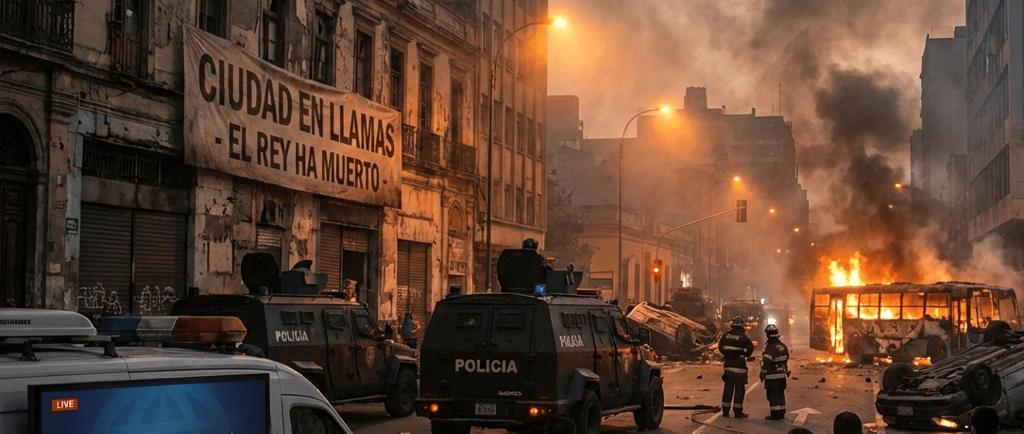
Notwithstanding that drug is a serious issue globally, El Mencho’s killing has thrown life in Mexico completely out of gear. Schools are shut, clubs are closed, matches have been cancelled, tourists are stranded, vehicles have been torched, highways blocked, and residents have been advised to stay indoors.
Twenty-five Mexican troops also are reportedly dead in the incidences of violence even as a large number of troops, over 10,000 have reportedly been deployed on the roads and streets of Mexico to bring the situation that arose after the killing of the drug lord, under control.
El Mencho was the head of Jalisco New Generation Cartel and was killed on Sunday in a U.S. intelligence-aided Mexican military operation.
El Mencho, as is being said, was the most dreaded drug-lord after the Colombian drug-lord and narco-terrorist, Pablo Emilio Escobar Gaviria, the founder of Medellin Cartel. Dubbed as the ‘king of Cocaine’, Escobar allegedly was one of the wealthiest drug-lords in history and is said to have amassed a net worth of US$30 billion when he died on December 2, 1993. He is supposed to have been shot and wounded which later killed him, at a shoot-out with the Colombian police.
Pablo’s life later became story for a few television series like Narcos (Netflix), Pablo Escobar: El Patron del Mal.
The way the suspected gang members of El Mencho are torching up vehicles, buses, houses and clashing with security forces, no wonder, it may attract production of some web series even on the life of El Mencho.
Drug is a serious subject that attracts attention of even the United Nations which has a dedicated team that tracks the issue, and comes out with an annual report—United Nations Office on Drugs and Crime (UNODC) World Drug Report, every year.
The UNODC World Drug Report 2025, is a huge document that runs into hundreds of pages, but if summarised, the report’s highlights and key points would somewhat look like this:
Global Drug Use is at an All-time High
Around 316 million people worldwide used illegal drugs in 2023, about 6 % of adults aged 15–64. This is a record level and shows a sustained increase over the past decade.
Cannabis still Leads in Prevalence
Cannabis remains the most widely used drug globally, followed by opioids, amphetamines, cocaine, and ecstasy.
Cocaine Market Booming
Cocaine production, seizures, and consumption all reached historic highs in 2023, with production at 3,708 tonnes, about 34% higher than in 2022. Global seizures also rose sharply—a sign of both increased trafficking and enforcement activity.
Synthetic Drugs Expanding
The market for synthetic drugs (like methamphetamine and other amphetamine-type stimulants) is growing rapidly, driven by low cost and ease of production.
Illicit Markets Evolving
Organized criminal groups are adapting to global disruptions and expanding into new regions and routes, including parts of Africa and Asia.
Social, Health and Economic Impacts
Drug use and trafficking have wide-reaching impacts—on public health, crime and violence, communities, and environmental systems, like pollution from production.
Gaps in treatment access
Only a fraction of people with drug use disorders, receive treatment, meaning a large number are in need for prevention, support and health services.
Broader Implications
The report warns that increasing drug demand and trafficking are tied to instability, inequality, and displacement—and that these trends can undermine broader development and security goals.
In short, the World Drug Report 2025 paints a picture of a growing global drug problem—with higher use, expanding markets, especially cocaine and synthetics, persistent organized crime, and a gap between need and treatment, while calling for stronger, evidence-based, and cooperative responses at international and national levels.
How Does the Drug-Map of the World Look like?
The complex, evolving, and interconnected network of illicit drug production, trafficking routes, and consumption hubs—all of it collectively make up what one can call the “Drug-Map”. It is prepared primarily upon the analysis of the annual World Drug Report by the United Nations Office on Drugs and Crime (UNODC).
This map shows how drugs move from cultivation areas to consumers, often with 1% of global financial revenue generated by these illegal trades.
Based on the 2024 and 2025 World Drug Report data, here is a breakdown of the global drug-map:
Major Global Drug Hubs and Routes
Cocaine: Production is concentrated in South America (Colombia, Peru, Bolivia), with routes primarily targeting North America and Europe. Trafficking flows are increasingly using West Africa and the Sahel as transit points, as well as Southeast Europe.
Opioids (Heroin/Morphine): Historically, Afghanistan has been the world's largest opium producer, supplying over 90% of illegal heroin globally. However, recent trends show shifts in production, including increased heroin trafficking routes through the Middle East, South/Central Asia, and Eastern Europe.
Methamphetamine and Amphetamine-type Stimulants (ATS): The "Golden Triangle" (Thailand, Laos, and Myanmar) is a major hub for methamphetamine and ketamine, catering largely to East and Southeast Asia. North America is a major market for methamphetamine, often produced in Mexico.
Cannabis: As the most commonly used substance, its production is global, but the map is changing due to shifting legalization, particularly in North America (USA, Canada) and parts of Latin America (Uruguay).