A Pre- COP30 Climate Summit Report by the UN is the Latest Worry
A new U.N. report published on Wednesday warns that unprecedented wildfires and escalating temperatures are putting northern hemisphere forests at risk, potentially turning them from carbon sinks into carbon sources.
GEO WEATHERGEO ANALYSISHOME PAGE
Team GTP
11/5/20252 min read
A new U.N. report published on Wednesday warns that unprecedented wildfires and escalating temperatures are putting northern hemisphere forests at risk, potentially turning them from carbon sinks into carbon sources.
Boreal forests, in particular, are under threat as they store large amounts of carbon but are becoming more vulnerable to fires, pests, and droughts. This growing danger threatens to reverse the advancements made in forest growth and carbon storage over the last three decades.
The report, issued by the UN Economic Commission for Europe (UNECE), was released just before the COP30 climate summit in Brazil.
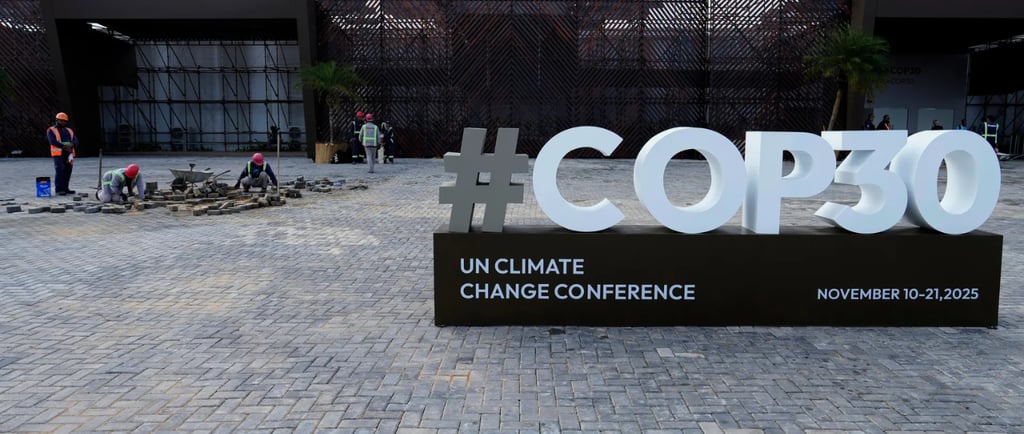
The 30th Conference of the Parties (COP30) is being hosted by Brazil in the city of Belem from November 6 to November 21, 2025. The event is being held in Belém, a city in the Amazon region, and is considered a critical UN climate negotiation summit.
The report also points out that forests across Europe, North America, the Caucasus, and Central Asia are losing their ability to absorb carbon dioxide from the atmosphere at an increasing rate.
How the Forests are at Risk?
Threat to Carbon Absorption:
Forests play a crucial role as “carbon sinks,” capturing and storing carbon dioxide from the atmosphere. However, the increasing frequency of wildfires and rising temperatures are pushing these ecosystems past a critical threshold, potentially transforming them from carbon absorbers into carbon emitters.
At-Risk Boreal Forests:
The boreal forests, which hold nearly half of the planet's remaining primary, old-growth forests, are especially vulnerable. These forests store significant amounts of carbon, and widespread fires could release that carbon back into the atmosphere, further accelerating climate change.
Reduced CO₂ Absorption:
A study by the European Union’s Joint Research Centre found that Europe’s forests absorbed about one-third less CO₂ annually between 2020 and 2022 compared to the 2010–2014 period. This reduction underscores how factors like heatwaves, droughts, and wildfires are diminishing the ability of forests to capture carbon.
Global Consequences:
The deterioration of forests as effective carbon sinks could undo decades of progress in fighting climate change. Experts emphasize the need for stronger conservation efforts, fire management strategies, and restoration programs to protect these vital natural resources from further damage.